
10 Fun Facts About Coral Reefs
From the Great Barrier Reef in Australia to the vibrant reefs of the Caribbean, coral reefs are some of the most fascinating ecosystems on Earth.
As scuba divers, there are few better experiences than hovering over a reef with an action-filled scene playing out below — whether it’s the heartbeat-like motion of a clownfish darting in and out of an anemone or the serenity of a graceful turtle gliding past.
Before we dive into our facts about coral reefs, it helps to understand what a coral reef actually is.
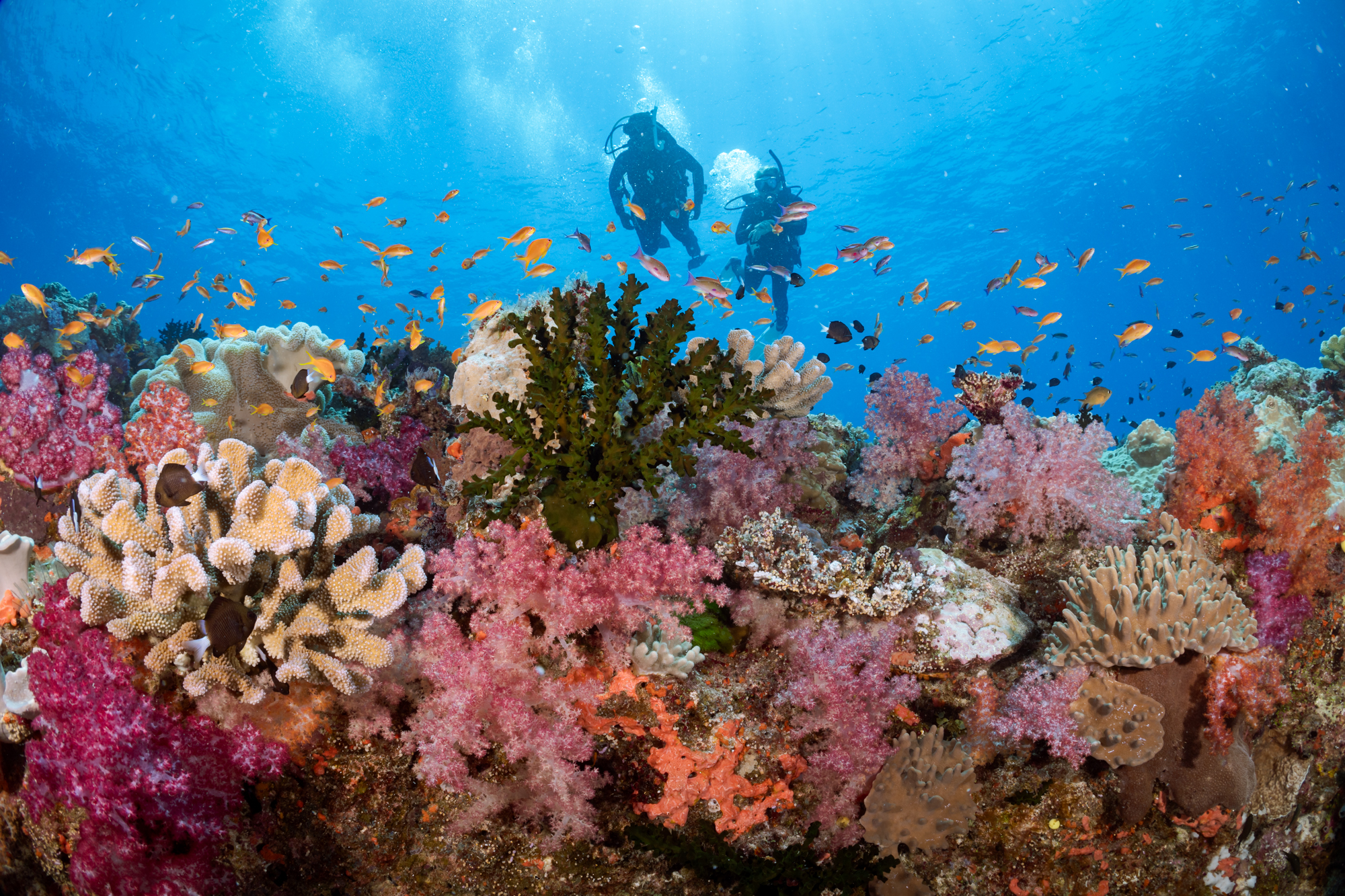
To understand what a coral reef is, you need to know what coral polyps and coral colonies are. These two things are essentially the building blocks of a coral reef.
The easiest way is to work backwards. You know what a typical coral reef looks like, so let’s break it down:
- 🪸 A coral reef = lots of coral colonies
- 🧬 A coral colony = lots of coral polyps
- 🌱 A coral polyp = a tiny, sea anemone-like building block
So you can think of it like this:
Lots of coral polyps = A coral colony → Lots of coral colonies = A coral reef
However, not all corals build coral reefs. Coral reefs are only formed by reef-building corals (also known as hard corals or stony corals).
Soft corals do not build reefs, but they can be found on reefs, decorating, protecting and supporting their function.
Now that we know what they are, let’s check out some fun facts about coral reefs!
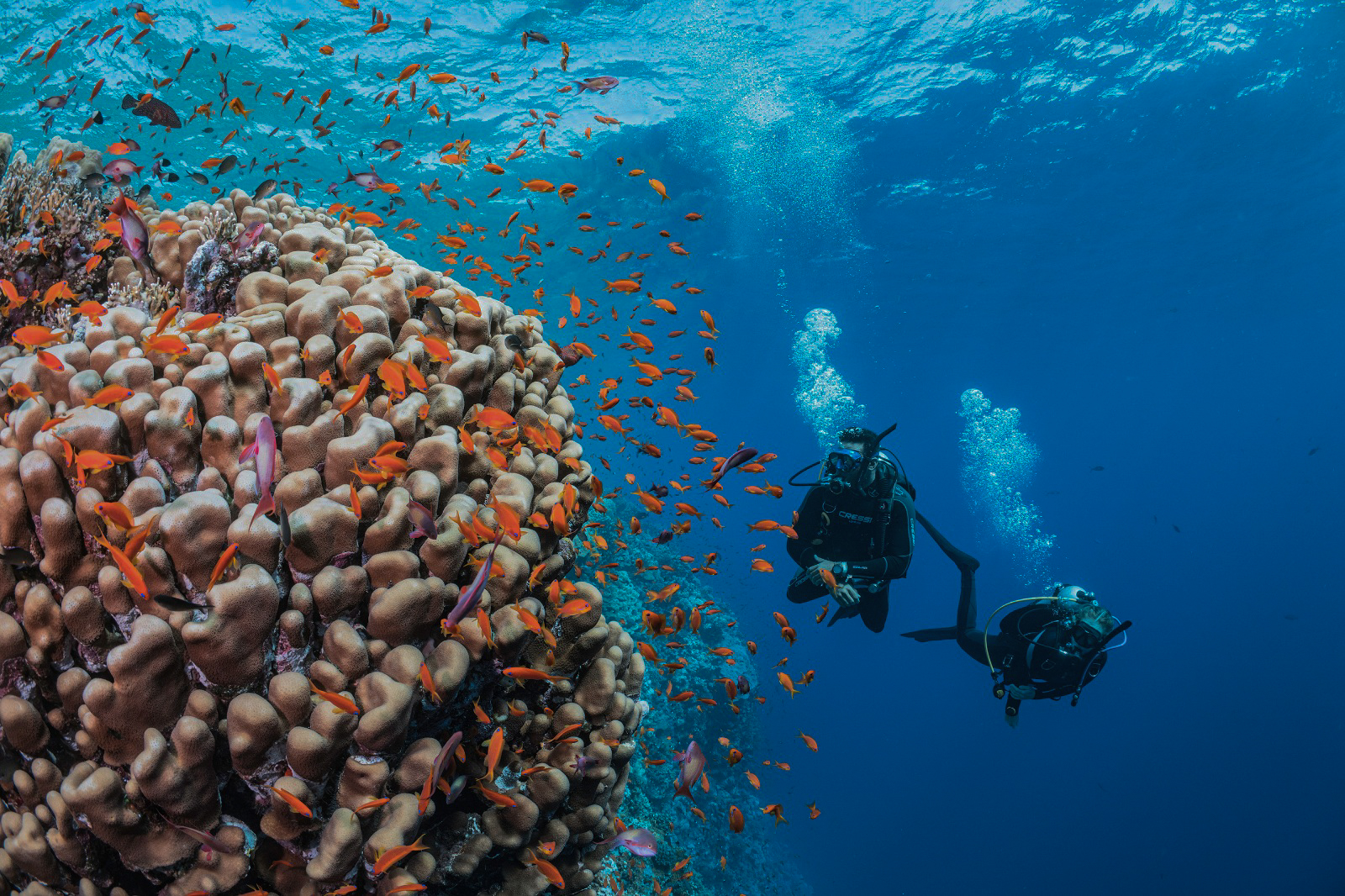
🪸 1. Coral Reefs Are Alive
Coral reefs are made up of millions of coral colonies (or more).
Remember that coral colonies are built from coral polyps, which are tiny living animals with soft, tubular bodies, often topped by a ring of tentacles.
During their growing process, reef-building coral polyps secrete calcium carbonate to form hard skeletons on an anchor point, such as a rock, an artificial coral garden or a shipwreck. Over time (and lots of it), these formations grow into the familiar structures we recognize.
🧬 2. Coral Reefs Have a Symbiotic Relationship With Algae
A type of symbiotic algae lives within the tissue of each coral polyp. Through photosynthesis, this microscopic algae — called zooxanthellae — produces food and oxygen for the coral. In return, the coral provides the algae with a safe, protected home.
Interestingly, reef-building coral polyps are actually transparent. It’s the algae living inside them that give corals their well-known, vibrant colors.
⏳ 3. They Take a Very Long Time to Grow
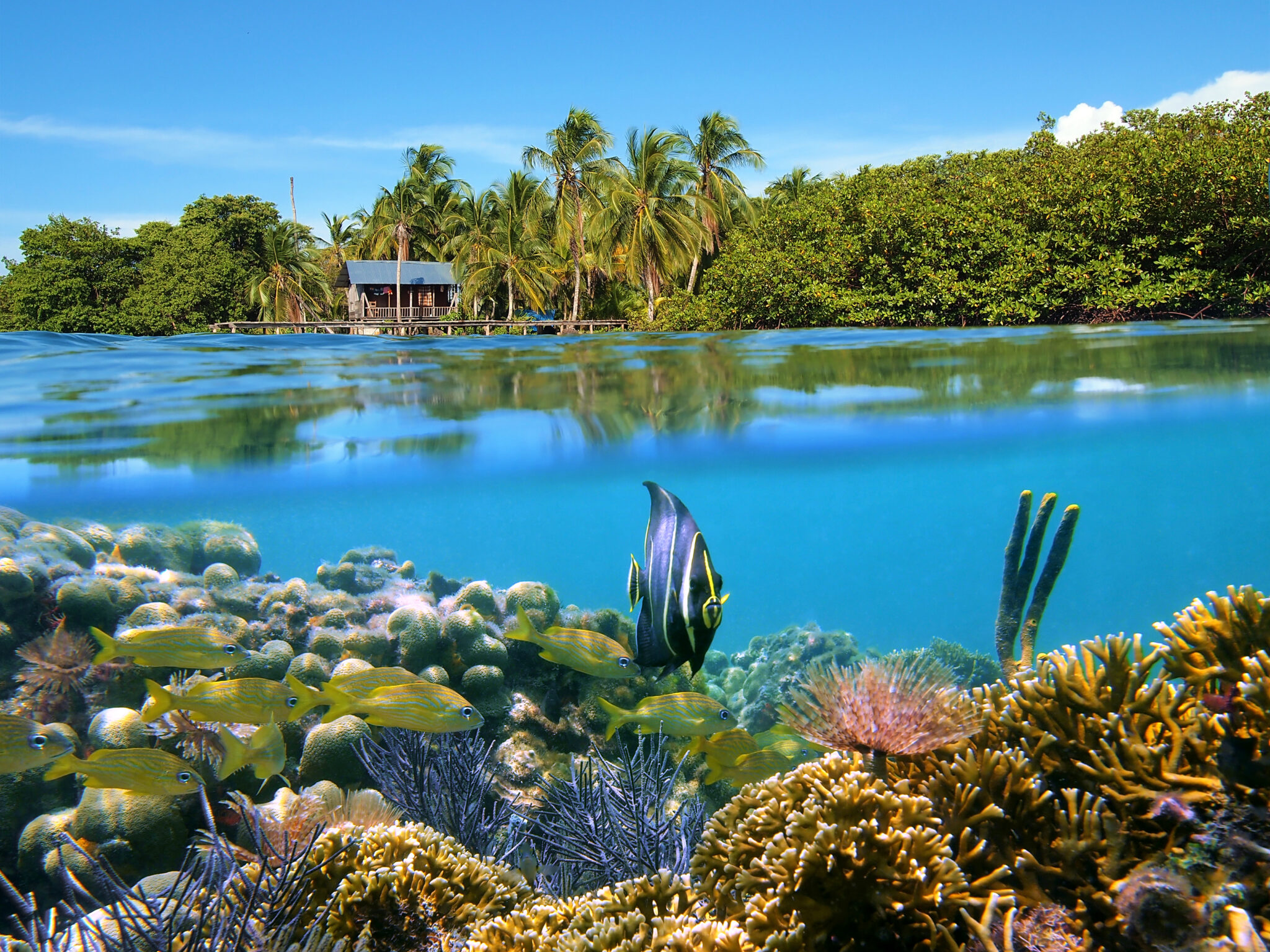
The process of a coral colony developing into a coral reef can take more than 10,000 years.
For example, Australia’s Great Barrier Reef is between 6,000 and 10,000 years old. Some of the world’s other coral reefs began forming more than 50 million years ago.
🐙 4. Coral Reefs Support a Surprising Amount of the Ocean’s Species
Like the world’s tropical rainforests, these biodiversity hotspots are home to an impressive amount of life — around 25% of all marine species — a staggering number when you consider coral reefs cover less than 1% of the ocean floor.
🛡️ 5. They Protect Coastlines
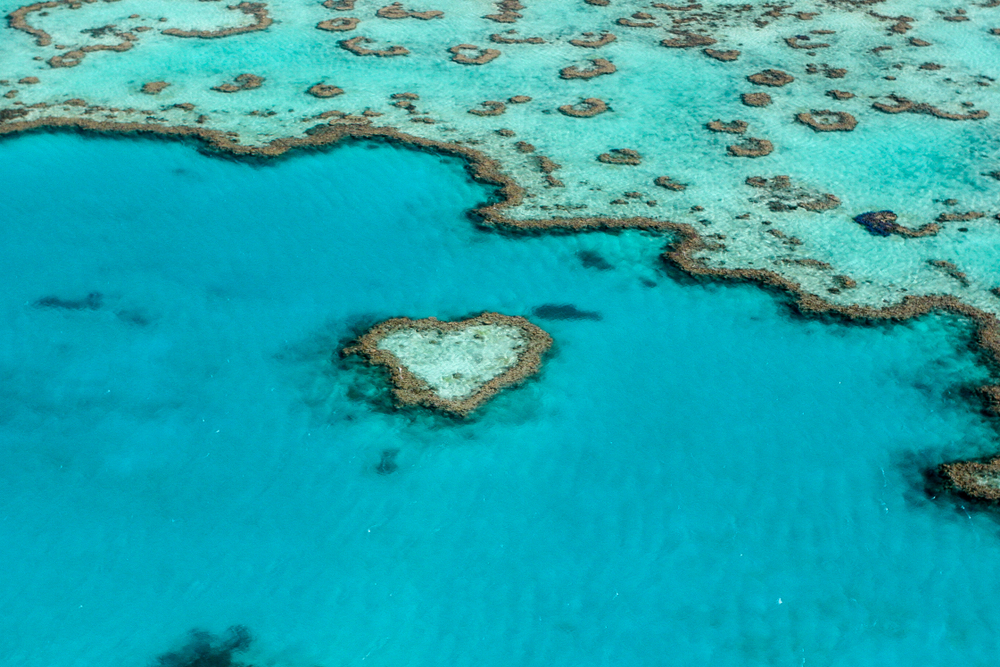
As natural underwater walls, coral reefs help protect coastlines by absorbing wave energy. This reduces erosion, storm surges and even the impact of tsunamis.
For local communities and coastal environments, coral reefs can save billions of dollars in damage every year.
🌡️ 6. Coral Reefs Are Sensitive to Their Environment
Coral reefs thrive in warm, shallow, clear water. Changing these conditions negatively impacts them.
When exposed to stressors, such as changes in water temperatures (even as little as one or two degrees) or pollution, coral polyps will expel their algae, causing them to turn white in a process known as coral bleaching.
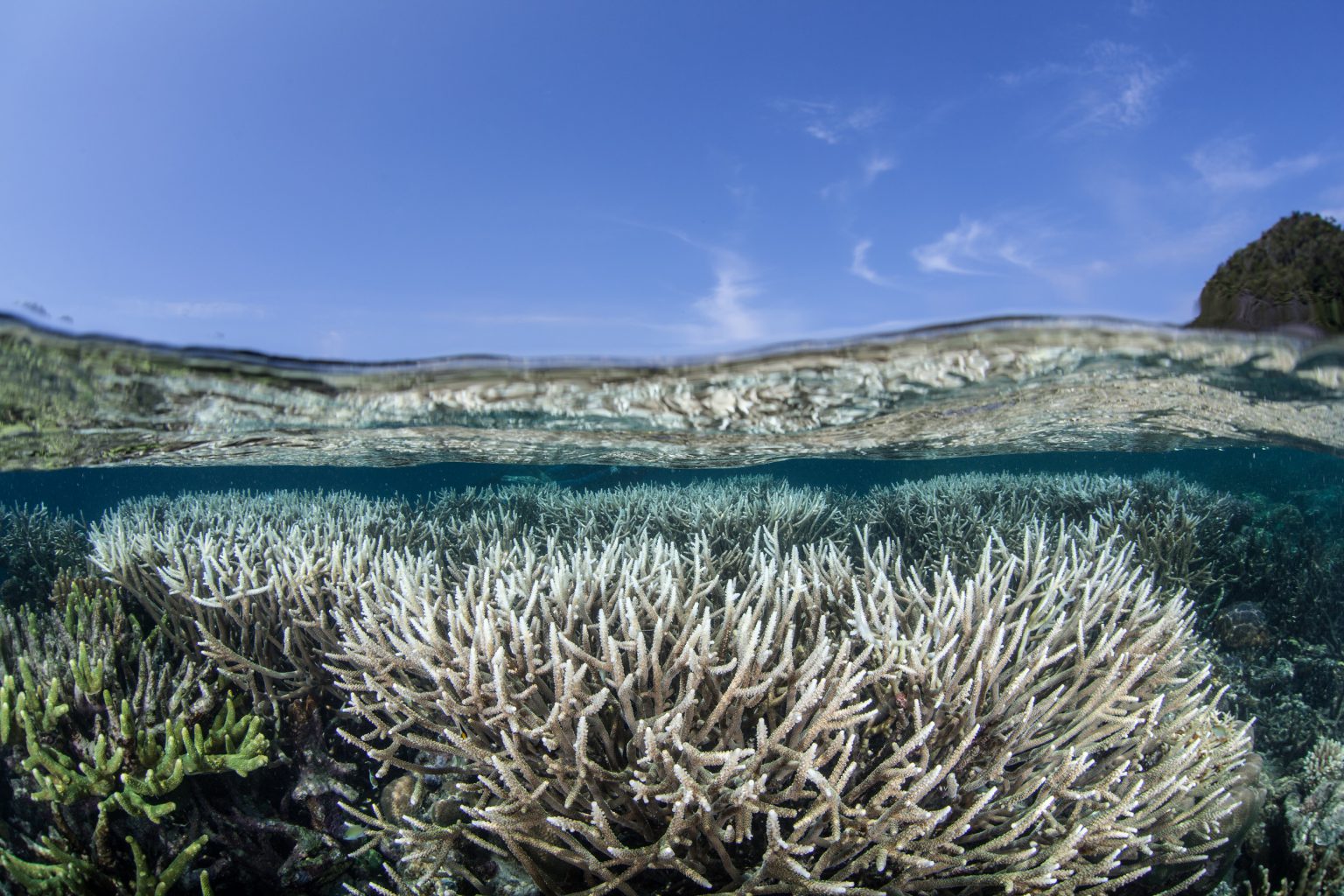
🩹 7. Bleached Coral Isn't Dead Coral (Yet)
Coral bleaching isn’t instantly fatal, as coral reefs can recover if suitable conditions return.
However, a prolonged absence of algae will lead to the death of the coral polyps and, ultimately, the reef itself. This is why monitoring coral reef bleaching is so critical.
💎 8. Coral Reefs Are Economically Important
Yes, coral reefs are most important to the fish, crabs and other marine life that call them home. But it’s not just underwater creatures that depend on them.
Coral reefs provide food, jobs and tourism opportunities for millions of people worldwide. Some estimates place the global economic value of coral reefs at over USD $9.9 trillion annually.
🌍 9. Coral Reefs Exist in More Places Than You Think
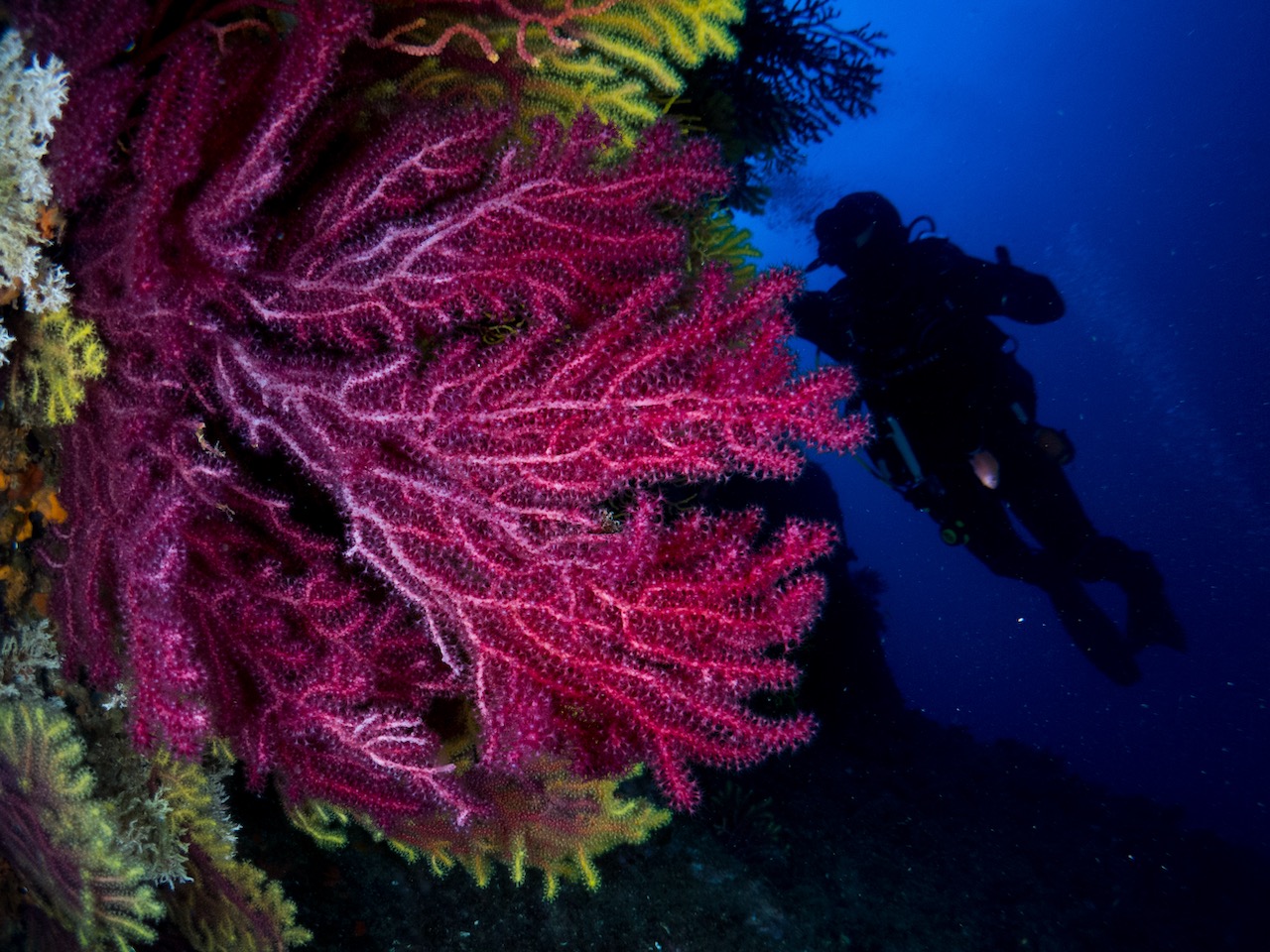
Most coral reefs are found in tropical waters, but that’s not the only place they exist.
Some coral species can grow in deeper, darker and colder environments, meaning reefs can be found well beyond the tropics. These include the deep-water reefs of Rost Reef in Norway and Fiordland in New Zealand.
🚨 10. They Are in Danger
While coral reefs have the ability to recover from bleaching, they need the right conditions to do so. Currently, coral reefs are facing serious threats from pollution, overfishing, irresponsible tourism and climate change.
However, marine protected areas (MPAs), education on sustainable practices, coral farms and action on global climate change mean there is still strong hope for coral recovery.
Ready to Explore the Reefs Yourself?
Dive into adventure and discover the magical underwater world with our professional team.
Learn To Dive – Get Your certificate with dive tribe hurghada