Ultimate Guide: Best Diving in Egypt’s Red Sea
Introduction: Why Dive in Egypt?
The Red Sea is one of the planet’s most extraordinary diving destinations. Stretching between Africa and Asia, its unique geography and warm, saline waters create an ecosystem unlike anywhere else. Divers from Europe and beyond flock here thanks to short flight times, consistent sunshine, and an abundance of marine life. From shallow coral gardens ideal for beginners to deep wrecks and challenging drift dives for advanced divers, Egypt truly has it all.
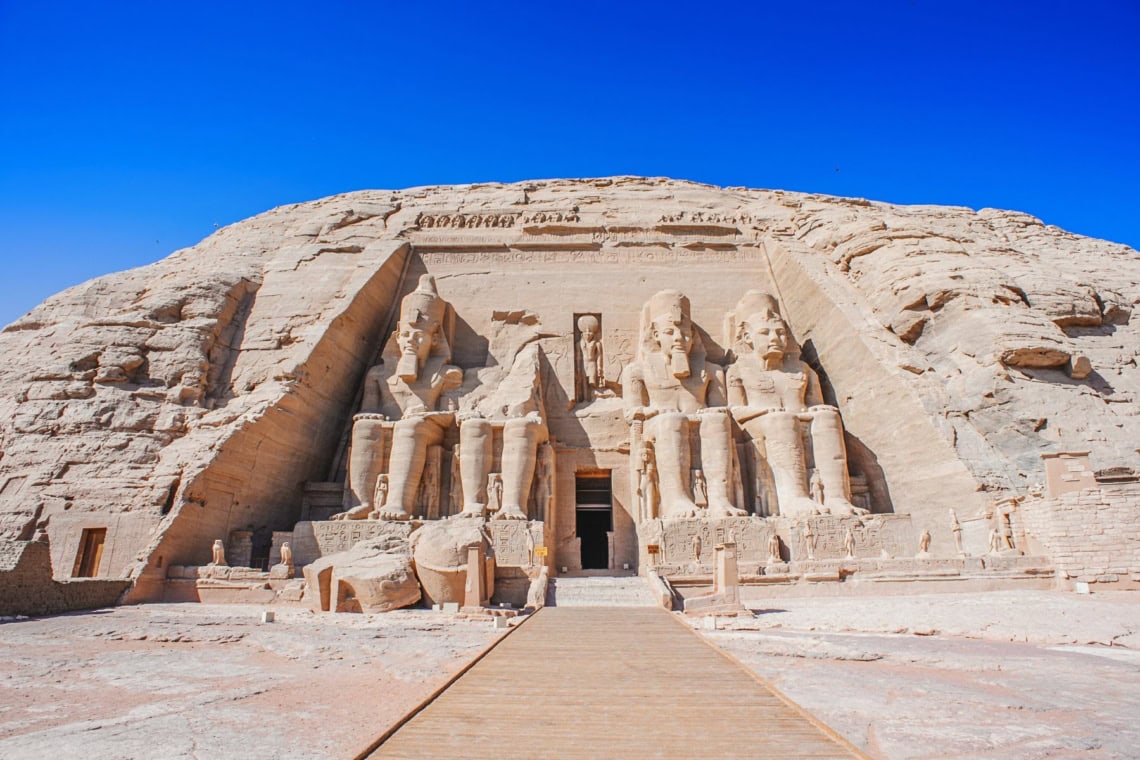
Beyond the underwater magic, Egypt also offers rich cultural experiences. Many travelers combine their dive holidays with visits to ancient temples, pyramids, and desert safaris. This blend of adventure above and below the surface is what makes Egypt stand out.
Plan your journey with options like day trips, resort-based diving, or liveaboards. For a complete experience, explore: Egypt Diving Safari.
What makes scuba diving in Egypt so good?
In a word—okay, three words— location, location, location!
For European divers, the convenience of a short plane ride to Egypt’s warm climate and waters is just too easy. Since most Red Sea sites are relatively close to shore, Egypt has a well-established dive industry, including dive resorts, liveaboards, and day trips.
In terms of general appeal, the Red Sea is the hub of a popular shipping route, and many ships have run aground, especially toward the narrow openings of the Gulf of Suez and the Gulf of Aqaba.
So, if you’re looking for something a little different than just another lionfish, Egypt’s waters, much like the land, are steeped in history and ripe for exploration. A lot of the wrecks, including the famous SS Thistlegorm are quite accessible as well, within 100 feet (30 m) of the surface and penetrable by qualified divers.
For photographers who love a splash of color or big pelagics, the Red Sea’s mild to strong currents support dense coral, fish, and shark populations. The general rule of thumb is that the deeper south you dive in the Red Sea, the stronger the currents become. This is where divers may spot big pelagics, including whale sharks and mantas.
Divers may also encounter oceanic whitetip sharks and mesmerizing thresher sharks, which can only be seen in a few other sites worldwide.
Liveaboards generally categorize their itineraries geographically as “North Red Sea,” “South Red Sea,” and “Deep South,” as we’ve done here. Following are some of our picks for the very best scuba diving in Egypt.
North Red Sea
Abu Nuhas
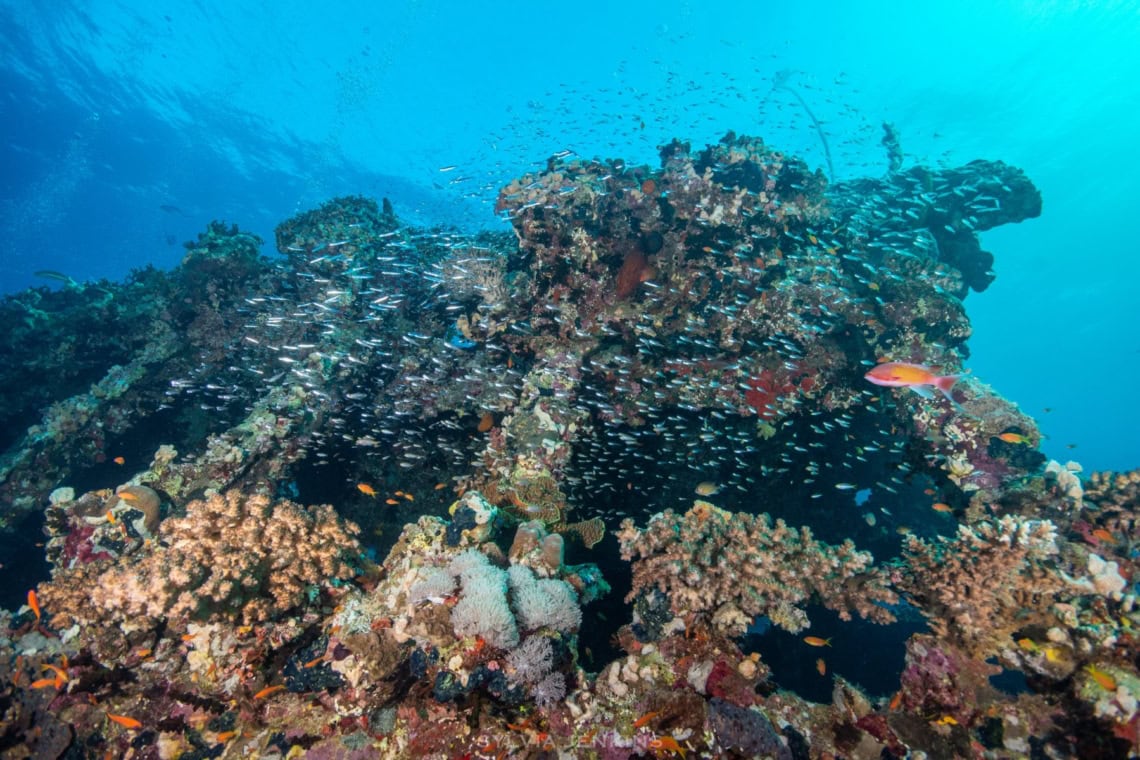
Known as the “ship graveyard,” Abu Nuhas reef is famous for its collection of wrecks. Located near busy shipping routes to the Suez Canal, it features four iconic sunken vessels:
- Carnatic: A British steamship that sank in 1869, now covered in colorful corals and accessible to many divers.
- Giannis D: A Greek freighter that went down in 1983. Divers can explore its intact stern and machinery rooms.
- Kimon M: Nicknamed the “Wreck of Lentils,” this German ship crashed in 1978, offering divers access to its engine and propeller.
- Chrisoula K: The “Tile Wreck” carrying Italian tiles before grounding in 1981. Now a vibrant reef teeming with marine life.
Diving at Abu Nuhas is like walking through maritime history, surrounded by schools of fish that have made the wrecks their home.
Type: Wreck
Skill level: Beginner to intermediate
Access: Boat
SS Thistlegorm
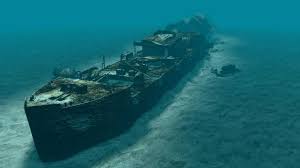
Arguably the most famous wreck in the world, the SS Thistlegorm was a British merchant navy vessel sunk in 1941 during World War II. Today, it serves as an underwater museum. Inside the holds, divers can see WWII relics: motorcycles, trucks, rifles, and even two locomotives. The wreck lies upright, making penetration relatively straightforward for intermediate divers. Swimming among its shadowy corridors, with boots and soldierfish filling the spaces, is an unforgettable experience.
Type: Wreck
Skill level: Intermediate
Access: Boat
Ras Mohammed National Park
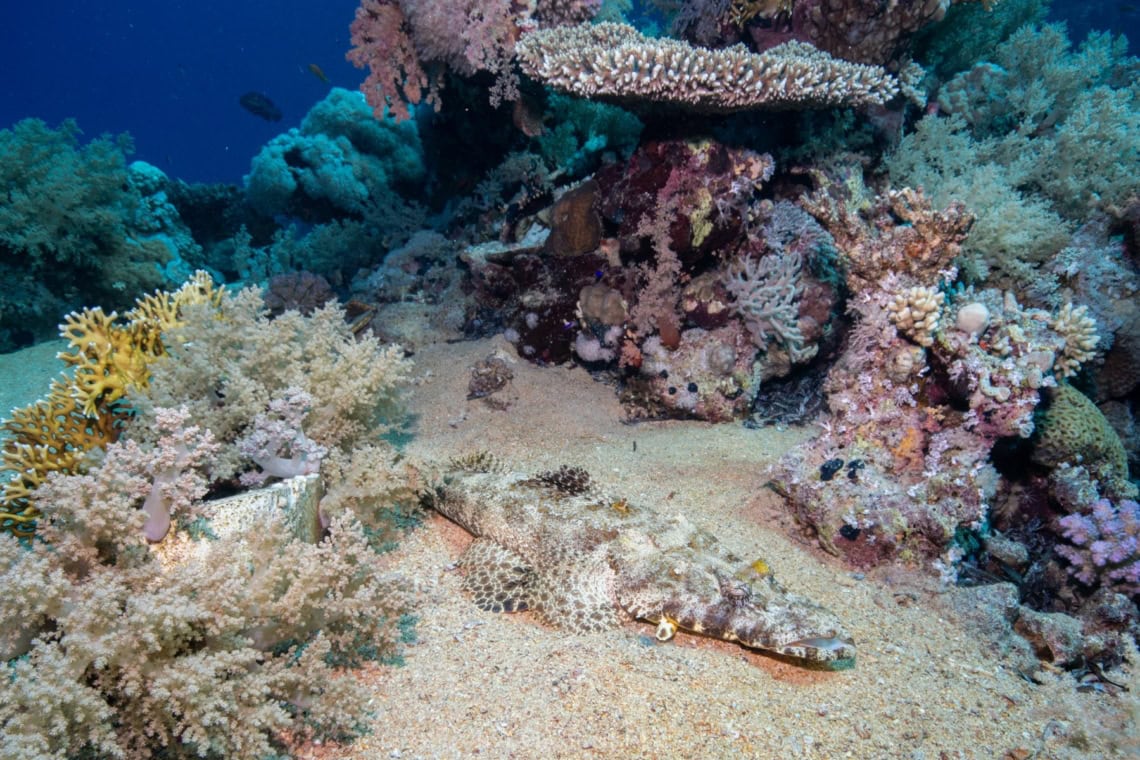
Just 20 km southwest of Sharm El-Sheikh, Ras Mohammed is Egypt’s most famous national park.The largest national park in Egypt by a long shot, Ras Mohammed’s unique geography and geology make it a hub for marine life, big and small.. It offers dramatic drop-offs, strong currents, and spectacular coral walls. Key sites include:
- Shark & Yolanda Reef: A drift dive packed with corals and schools of fish, ending at a debris field of toilets and bathtubs from the Yolanda wreck.
- Jackfish Alley: Begins with a cave at 6m depth and opens into a sandy bay. Pelagics like jackfish and whitetip reef sharks are common here.
Type: Wall, coral, & wreck
Skill level: Beginner to intermediate
Access: Boat
Dahab
Blue Hole
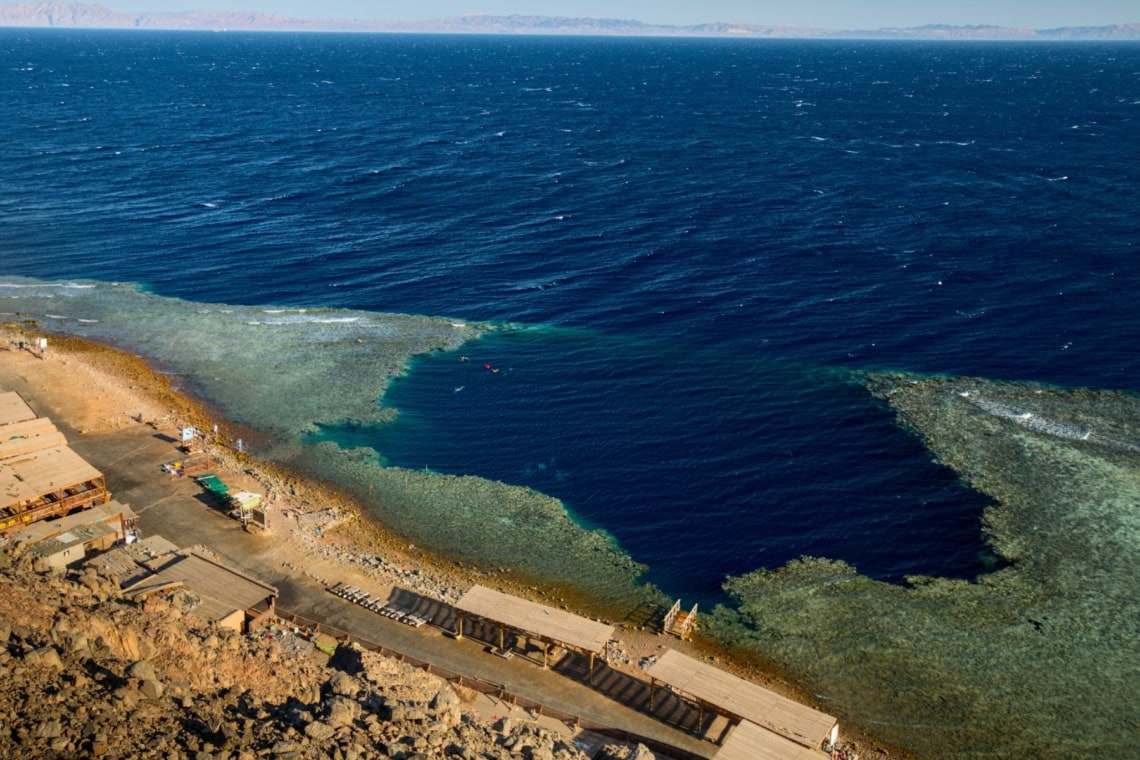
The Blue Hole is both infamous and beloved. This sinkhole reaches 122m in depth, earning its nickname “the diver’s graveyard.” While technical divers attempt deep passages like the Arch, recreational divers can enjoy stunning shallow reefs with excellent visibility. Despite its reputation, it remains one of the Red Sea’s most beautiful dives.
Type: Blue hole, cavern
Skill level: Beginner to advanced
Access: Shore
The Canyon
Another Dahab gem, The Canyon is an underwater cavern with dramatic topography. Recreational divers explore its main chamber between 12–22m, while advanced divers can descend deeper into its narrow exits. Sunlight filtering through creates magical beams that dance across schools of glassfish.
Type: Cavern
Skill level: Intermediate
Access: Shore
Straits of Tiran
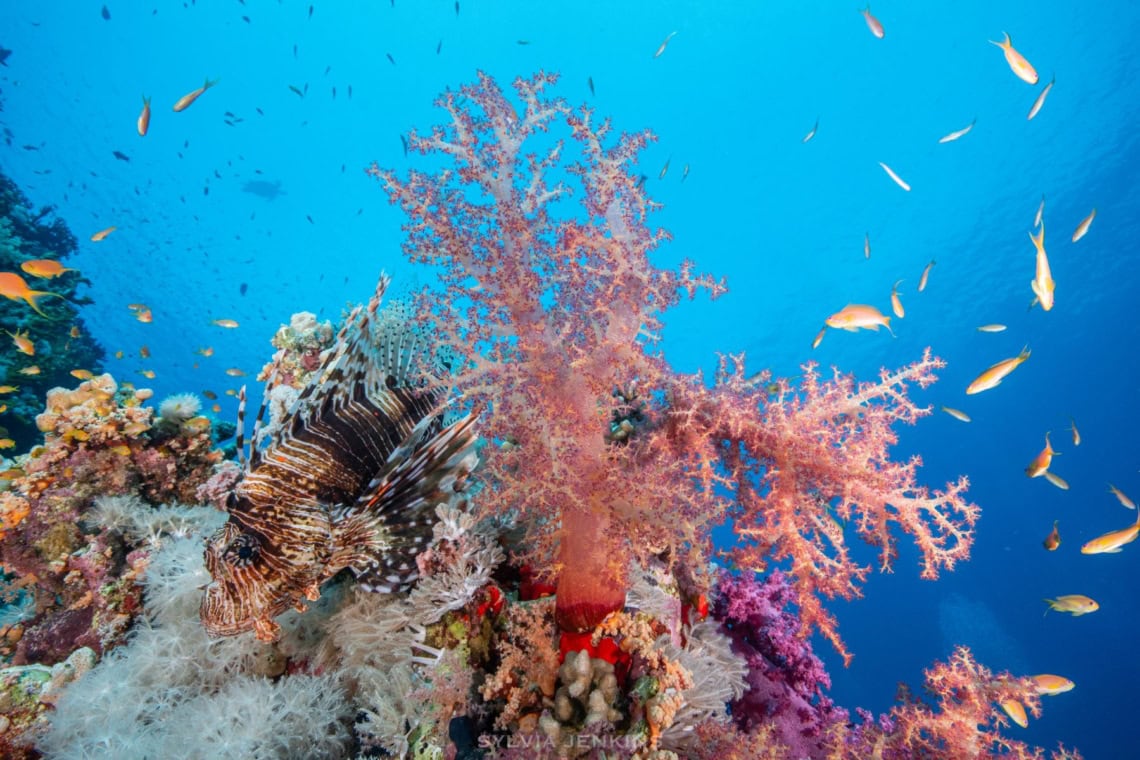
At the entrance of the Gulf of Aqaba, four reefs—Jackson, Woodhouse, Thomas, and Gordon—stand like underwater sentinels. Fed by strong currents, these reefs explode with life: tuna, barracuda, jackfish, and reef sharks patrol the waters. The Loullia wreck adds history to this marine spectacle. Drift diving here is exhilarating, with nutrient-rich waters fueling dense coral growth.
Type: Wall, coral, and wreck
Skill level: Intermediate
Access: Boat
South Red Sea
Dolphin House (Sha’ab Samadai)
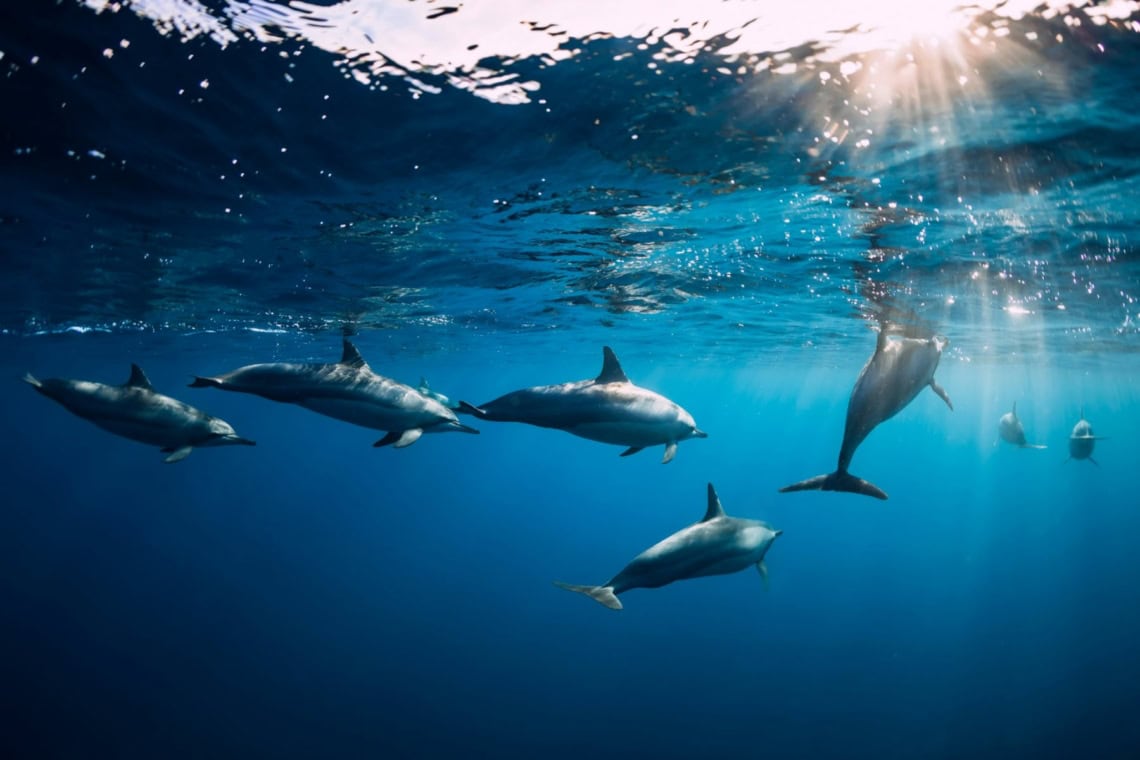
Near Marsa Alam, Dolphin House is famous for encounters with spinner dolphins. Divers kneel in sandy patches, waiting as dolphins glide gracefully through. Even without dolphins, the reef teems with reef fish and colorful corals, making every dive special.
Brothers Islands
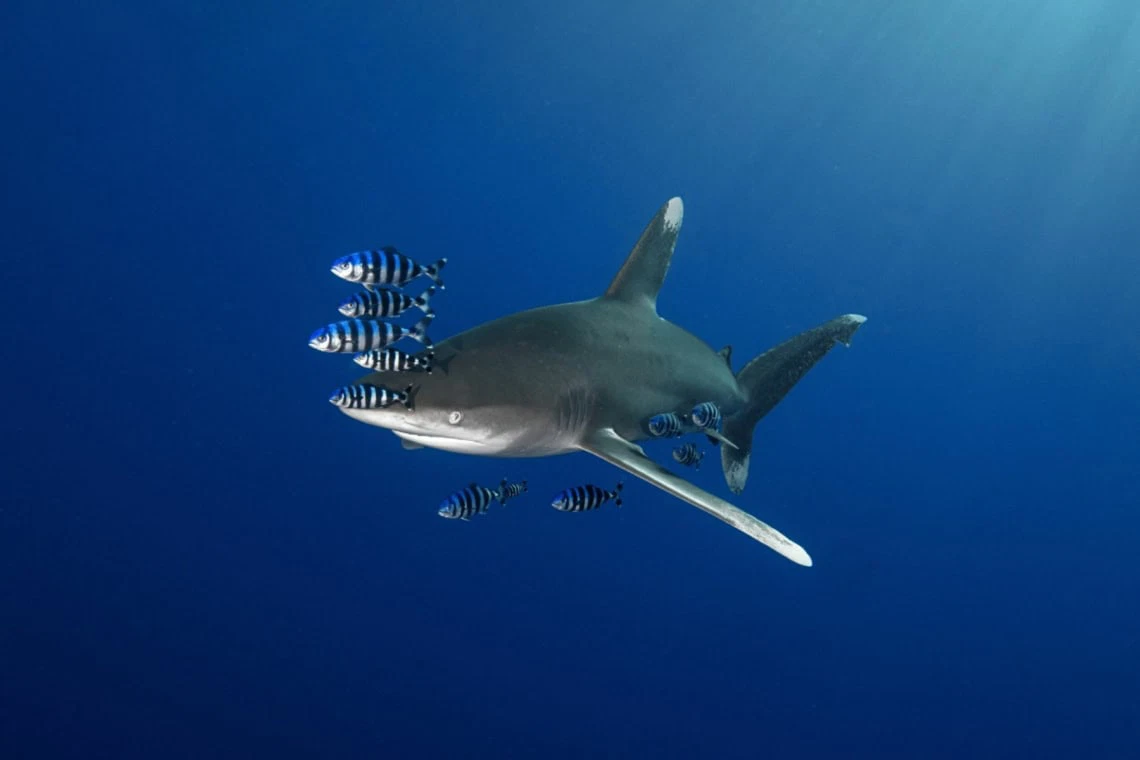
The Brothers—Big Brother and Little Brother—are isolated islands accessible only by liveaboard. Known for sheer walls, pristine corals, and big shark encounters, they’re a paradise for experienced divers. Hammerheads, threshers, and oceanic whitetips are frequent visitors, alongside the wrecks of Numidia and Aida.
Daedalus Reef
Far offshore, Daedalus is remote and wild. Strong currents sweep along its walls, attracting hammerheads, manta rays, and oceanic whitetips. Summer months see entire schools of hammerheads circling divers—a heart-stopping experience.
Elphinstone
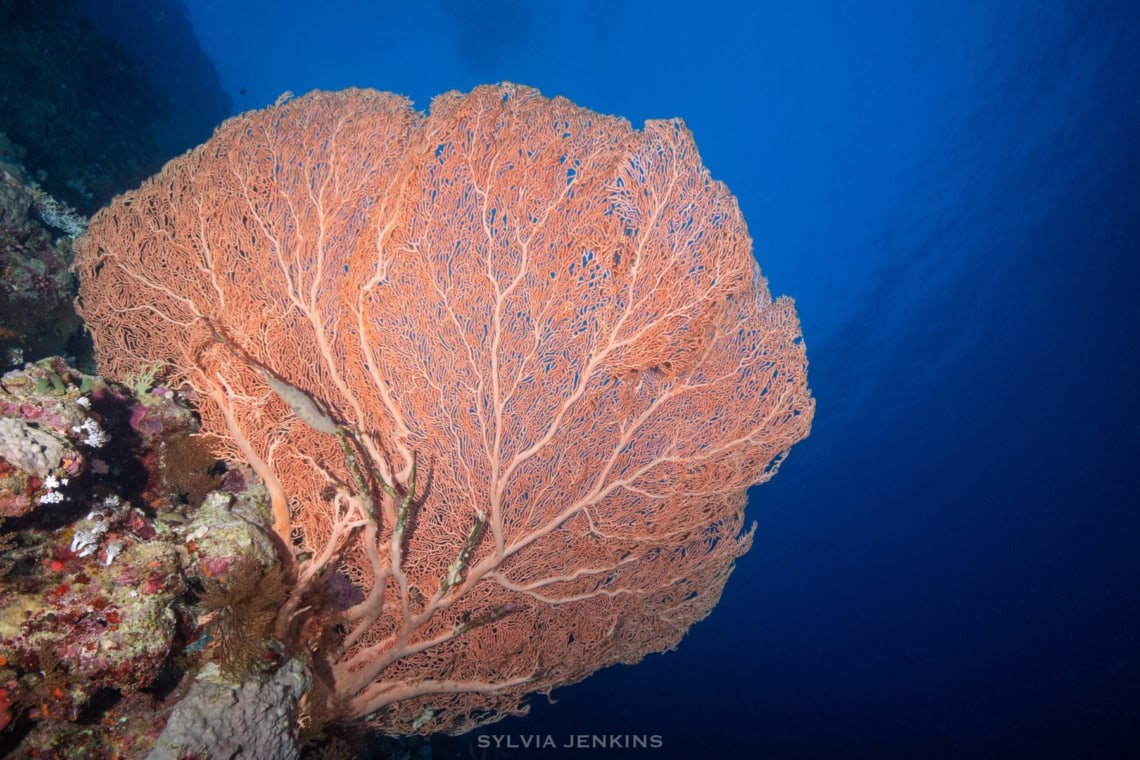
Just 25km north of Marsa Alam, Elphinstone is world-renowned. Its walls are covered with lush soft corals, while the chance to spot oceanic whitetip sharks makes it a must-dive. Strong currents here make for thrilling drift dives.
Deep South Red Sea
Fury Shoals
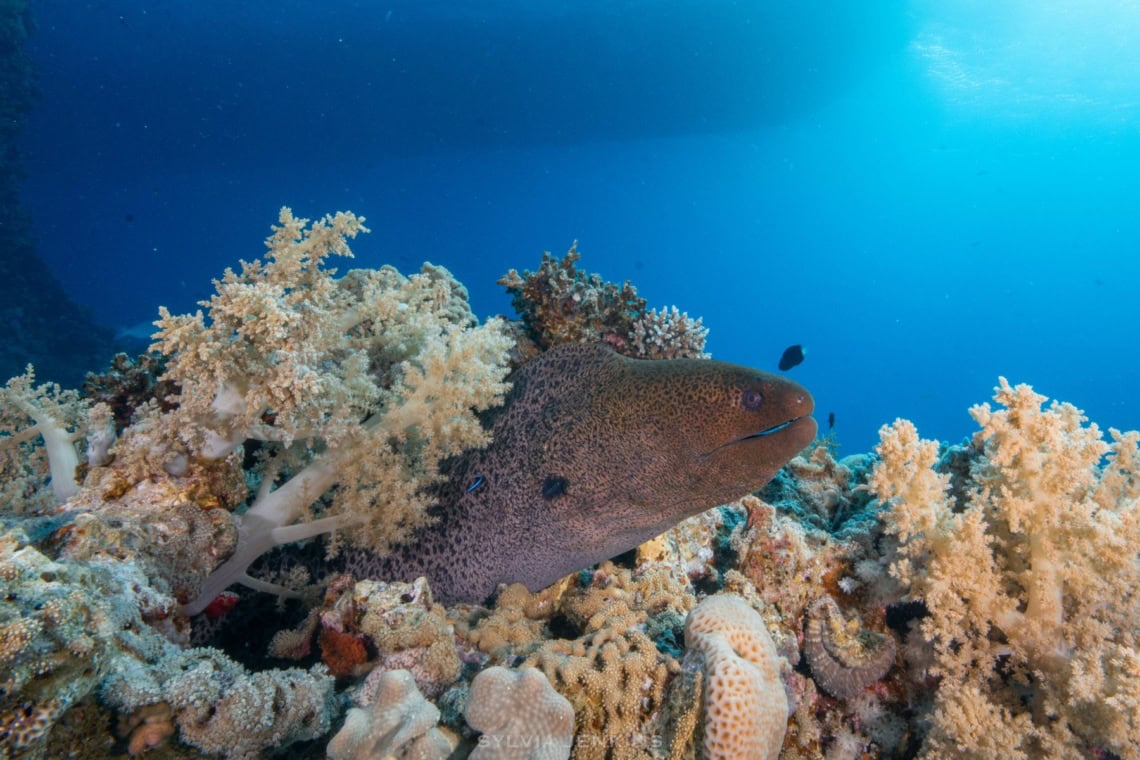
A network of reefs stretching 30km, Fury Shoals offers tunnels, lagoons, coral gardens, and the wreck of the Tien Hsing tugboat. Calm conditions make it accessible to beginners while still thrilling for experts.
Rocky Island
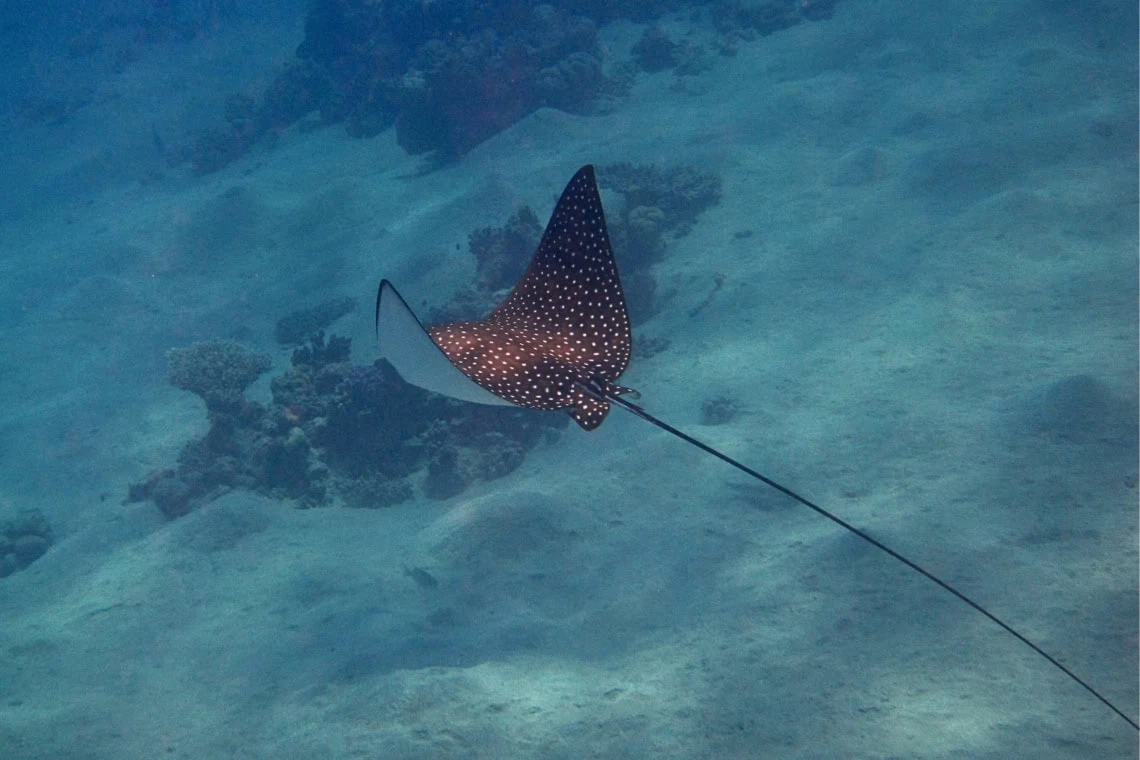
Part of a marine protected area, Rocky Island features steep walls, caverns, and dramatic rock formations. Strong currents bring in pelagics like manta rays, eagle rays, and even whale sharks. It’s best suited for advanced divers.
St. John’s Reef
Remote and pristine, St. John’s covers over 300 km² of reef systems. Highlights include:
- Gota Kebira: Large reef with drift dives and frequent shark sightings.
- Habili Ali: Coral pinnacles with caves, swim-throughs, and pelagic encounters.
- Abu Basala: A shallow crescent-shaped reef, perfect for relaxed or night dives.
The visibility and biodiversity here are unmatched, making it one of the most rewarding dive areas in Egypt.
When to Dive in Egypt
The best seasons are spring (March–June) and autumn (September–November). During these months, water temperatures average 25°C, and conditions are ideal. Summer can reach 38°C, while winter offers fewer crowds but cooler waters around 23°C. Marine life also varies by season:
- Manta rays: March to September
- Hammerhead sharks: May to October
- Thresher sharks: September to January
Conclusion
Egypt’s Red Sea is a world-class destination that caters to every type of diver. Whether you dream of exploring historic wrecks, swimming alongside dolphins, or drifting past walls of colorful coral, the country delivers unforgettable underwater moments. Combine your diving with Egypt’s ancient cultural wonders, and you have a journey like no other. It’s no surprise divers return year after year to rediscover its magic.
This is an icon box
Write a short description, that will describe the title or something informational and useful.